The Steamy Birth of Spring Training: How Arkansas's Hot Springs Became the Cradle

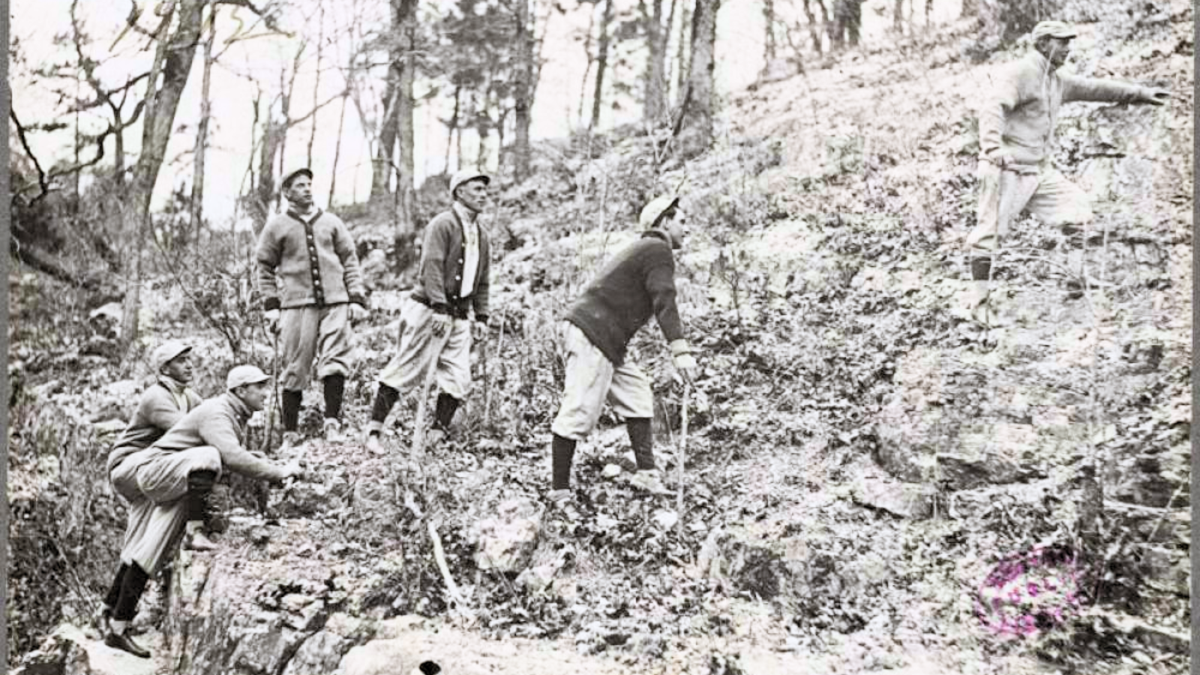
Nestled in the Ouachita Mountains, Hot Springs, Arkansas, might be best known today for its bubbling thermal waters and national park status, but rewind the clock to the late 19th century, and this resort town was ground zero for one of baseball's most enduring traditions: spring training. Long before Florida's Grapefruit League or Arizona's Cactus League dominated the preseason landscape, Hot Springs was where major leaguers shook off winter rust, soaked in mineral baths to "dry out" after off-season indulgences, and honed their skills amid misty mountains and gambling dens. It's estimated that roughly half of the Baseball Hall of Fame's enshrinees passed through here, making Hot Springs not just a footnote but the birthplace of spring training itself.
The story kicks off in 1886, when Albert Goodwill Spalding—player-turned-owner of the Chicago White Stockings (predecessors to the Cubs)—grew tired of frigid northern workouts. Seeking warmer climes, he led his team south to Hot Springs for a two-week camp. The regimen? Daily practices on a makeshift field behind the Garland County Courthouse, grueling mountain hikes for endurance, and mandatory dips in the town's famed hot springs to sweat out alcohol, shed pounds, and rebuild stamina. Spalding's squad, including Hall of Famers like playing-manager Cap Anson, pitcher John Clarkson, and the charismatic Mike "King" Kelly, stayed at the Avenue Hotel (later the Majestic). The Sporting News hailed the move, and Spalding himself quipped, “I wonder whatever made me think of it?” This wasn't just training; it was a detox retreat for ballplayers who'd spent winters carousing.
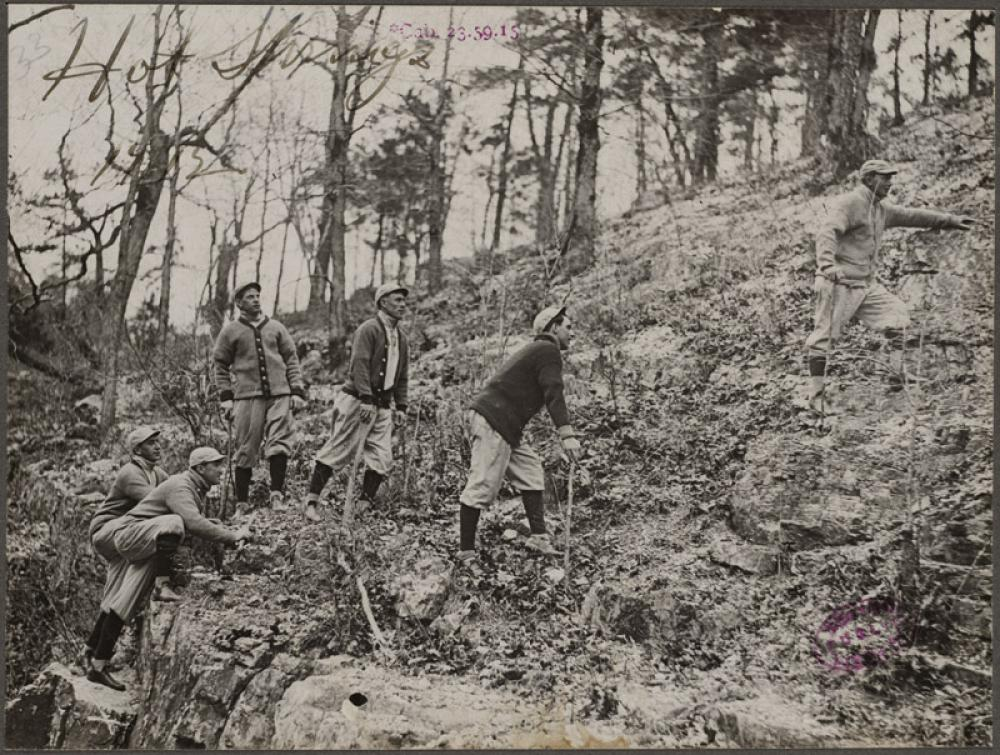
Word spread fast, and by the 1890s, Hot Springs was buzzing with teams. The Pittsburgh Pirates, Boston Red Sox, Cincinnati Reds, St. Louis Browns (who evolved into the Cardinals), Philadelphia Phillies, Brooklyn Dodgers (then Superbas), and even the New York Highlanders (future Yankees) all flocked there. Practices included exhibition games, infield drills, sliding sessions, and calisthenics, but the real draw was the "Valley of the Vapors"—the hot springs that promised therapeutic recovery. In 1909, Red Sox owner John Taylor built Majestic Park specifically for his team, while the Superbas used a field on Whittington Avenue. African-American teams like the Kansas City Monarchs, Pittsburgh Crawfords, and New York Black Yankees also trained in Hot Springs, bringing Negro League legends such as Satchel Paige, Oscar Charleston, and Josh Gibson to the mix. Minor leaguers and even the bearded barnstormers of the House of David joined in, turning the town into a baseball melting pot.
The era was ripe with colorful anecdotes that blended sport with small-town mischief. In 1910, during a game at Majestic Park between the Red Sox and Reds, a grandstand collapsed in the fifth inning—miraculously without injuries—dumping Brooklyn shortstop Tommy McMillan right into pitcher Cy Young's lap. Four years earlier, New York Giants manager John McGraw got arrested for gambling with a local crony. Pittsburgh Pirates shortstop Honus Wagner, in 1912, even moonlighted as a referee for a high school basketball game at the local skating rink. And then there's Babe Ruth, the Sultan of Swat himself, who first visited as a young Boston Red Sox pitcher in 1915. Ruth returned often, golfing, betting on horses at Oaklawn Park, and famously launching what many call his longest home run—over 500 feet—during a 1918 exhibition. His exploits in Hot Springs became legendary, embodying the town's mix of rigorous training and off-field revelry.
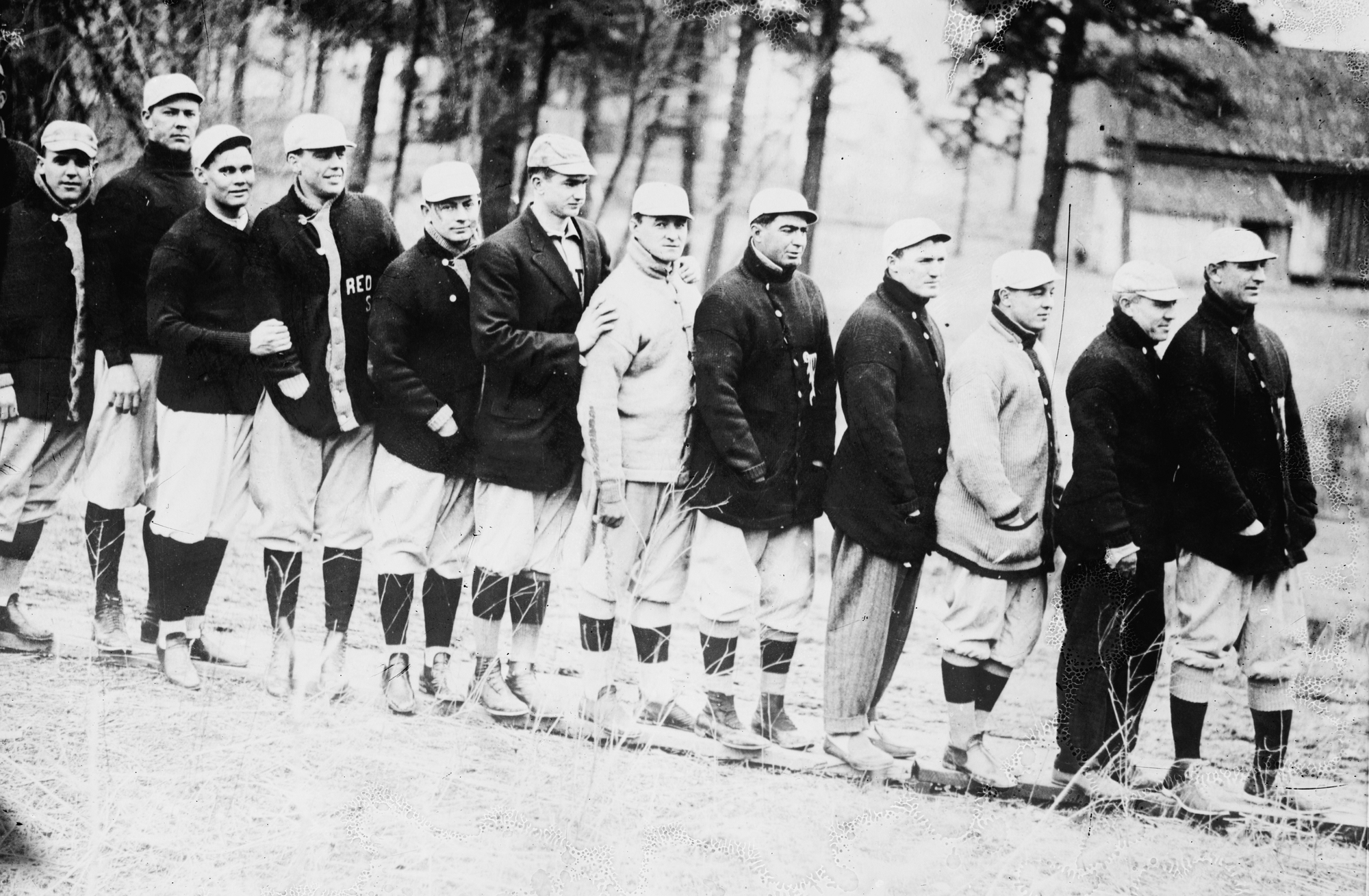
By the 1920s and '30s, Hot Springs evolved into a full-fledged baseball hub. Stars like Dizzy Dean, Rogers Hornsby, and Grover Cleveland Alexander taught at Ray Doan's Baseball School, drawing hundreds of aspiring pros each month. Umpire George Barr ran a school for officials, and the town hosted Negro League spring camps at Sam Guinn Field. But as aviation improved and teams sought sunnier, drier spots, the exodus began. Rainy Arkansas weather, combined with better facilities in Florida and California, lured most major leaguers away by the 1920s. Pitchers and catchers lingered until the early 1940s, but World War II marked the end.
Today, Hot Springs honors its diamond legacy with the Historic Baseball Trail, a self-guided tour featuring 24 markers at key sites like Majestic Park and Whittington Park. Dedicated in 2012, it lets visitors trace the footsteps of icons like Ruth and Wagner. A 2015 documentary, The First Boys of Spring, narrated by Arkansas native Billy Bob Thornton, captures the town's pivotal role in baseball history. Even Jackie Robinson played an exhibition here in the 1950s, adding to the site's civil rights significance.
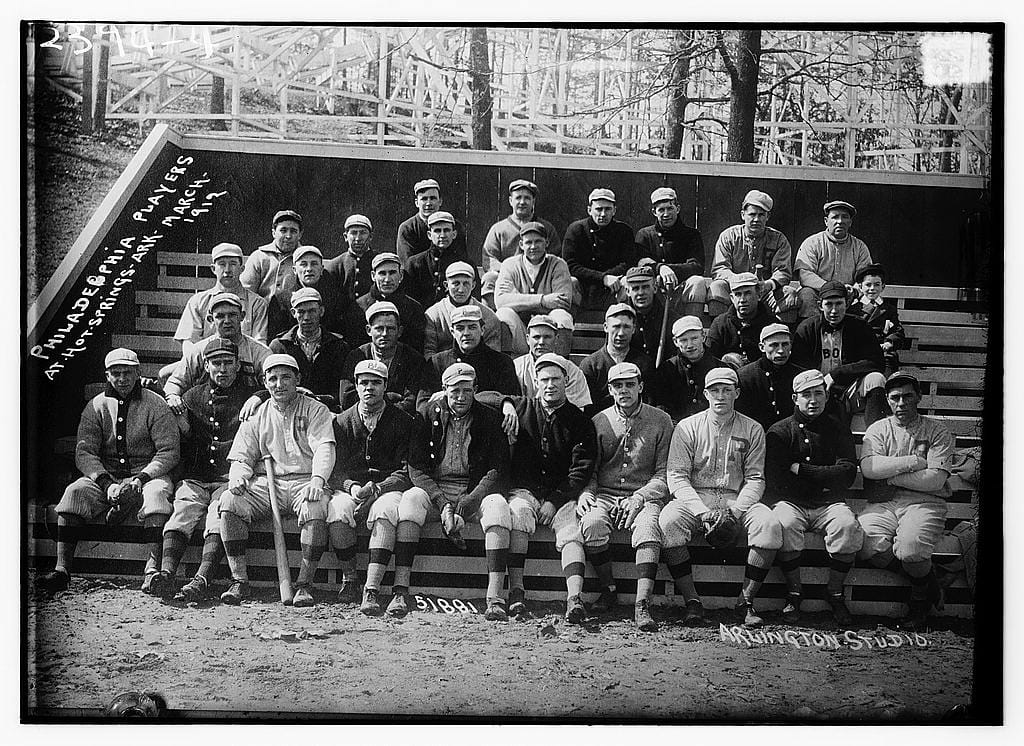
In an age of high-tech training facilities and million-dollar contracts, Hot Springs reminds us of baseball's humbler roots—a steamy, spirited prelude to America's pastime, born in the heart of Arkansas.